Nurturing Young Performers: The Magic of Performing Arts in Preschool Education

Introducing young children to the world of performing arts at a preschool level can be incredibly rewarding and beneficial. Not only does it foster creativity and self-expression, but it also enhances cognitive development and social skills. In this blog post, we explore the importance of incorporating performing arts into preschool education and how it can positively impact children’s overall development.
The Benefits of Early Exposure to Performing Arts
Exposure to performing arts provides numerous benefits for young children, spanning cognitive, social, emotional, and developmental domains. This also includes increased confidence, enhanced emotional development, and social skills and collaboration.
The benefits of exposing young children to performing arts are multifaceted and well-documented. Whether through formal programs or informal play, these experiences contribute positively to a child’s development, promoting skills that are valuable throughout their lives.
Incorporating Music into Daily Activities
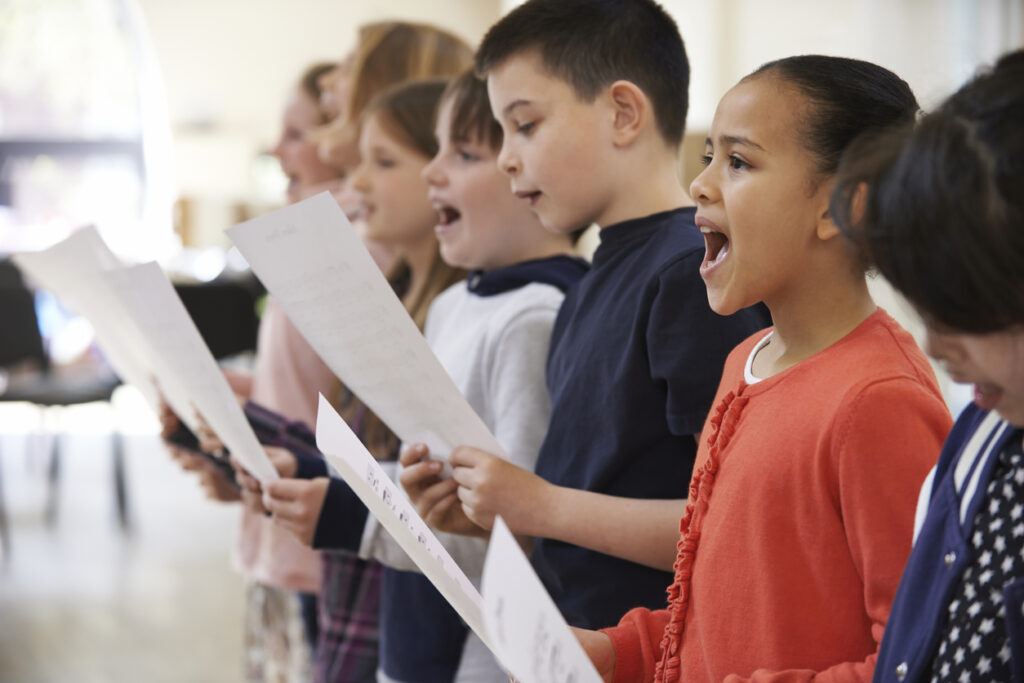
Integrating music into everyday activities at the preschool level is not only enjoyable but also enhances learning and development in various domains. Using songs and rhymes to teach concepts like counting or the alphabet, or incorporating musical instruments into playtime encourages exploration and creativity.
Exploring Dance and Movement
Exploring dance in preschool settings is a fantastic way to engage young children in physical activity while fostering creativity and expression. Dance and movement activities help young children develop motor skills, coordination, balance, and strength. Through these various movements like jumping, twisting, and stretching, children enhance their physical abilities in a fun and engaging way.
Drama and Role-Playing
Drama and role-playing activities play a crucial role in fostering imagination and creativity among young children. Storytelling, puppetry and dramatic play can help them develop empathy, understand different perspectives and build their narrative skills. Engaging in imaginative play involves planning and organizing roles, scenarios, and narratives. This cognitive process helps children develop problem-solving skills, spatial awareness, and critical thinking as they navigate imaginary situations.
Conclusion
In conclusion, exposing young children to the performing arts is not just about entertainment; it’s about nurturing essential skills that will benefit them throughout their lives. From enhancing creativity and imagination to developing confidence and fostering social skills, the performing arts provide a unique and invaluable learning experience. By encouraging young children to engage in activities like music, dance, and theater, we not only enrich their early years but also lay a foundation for their future success and well-being. Let’s continue to recognize and support the role of performing arts in early childhood education, ensuring that every child has the opportunity to explore, create, and grow through these transformative experiences!